Menu

Call this Monday to Get 15% OFF
24-Hour Emergency Electricians in Dallas
Call this Monday to Get 15% OFF
24-Hour Emergency Electricians in Dallas
Do you know the difference between residential and commercial electrical wiring? While both types of wiring deliver electricity throughout a building, there are distinct differences in their design, materials, load capacity, and installation methods. If you’re undertaking an electrical wiring project, it’s important to know the differences between the two types of wiring.
In this article, our electricians go into the fundamental differences between residential and commercial electrical wiring. Our specialists have handled a wide range of electrical wiring projects in both residential and commercial properties. Therefore, we know a thing or two about different types of electrical wiring. When you need dependable electrical wiring services, look no further than the experts at Mr. Electric.
One of the key differences lies in the amount of power required and how that power is delivered. Residential properties normally rely on a single-phase power system, which provides 120 to 240 volts. This is sufficient to power household lighting, appliances, and outlets. In contrast, commercial properties use a three-phase power system. This configuration delivers power more efficiently and supports larger electrical loads, such as operating elevators, industrial equipment, commercial HVAC systems, and extensive lighting networks.
In residential settings, non-metallic sheathed cable is widely used. This type of wiring is easy to install, cost-effective, and suitable for the less demanding electrical loads found in homes. The wires are wrapped in a plastic sheath and run through walls, attics, and crawlspaces.
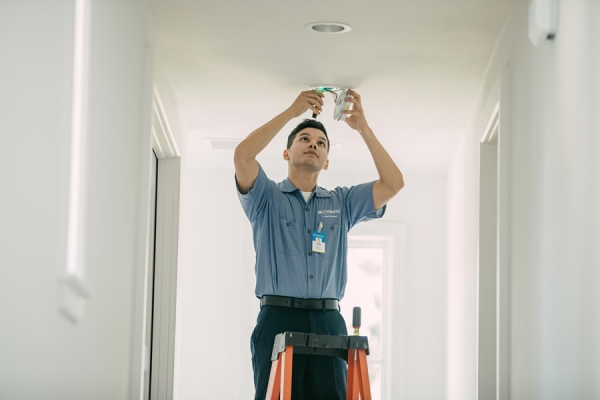
Commercial wiring, however, requires more durable and fire-resistant materials. Wires are enclosed in metal conduit or armored cable for added protection against environmental damage, physical wear, and fire hazards. THHN (Thermoplastic High Heat-resistant Nylon-coated) wire is commonly used in commercial applications due to its heat resistance and durability. This added protection helps commercial wiring meet the stricter safety standards required for high-occupancy or public buildings.
Another key difference is the complexity of the electrical system. Residential wiring systems are simpler, with fewer circuits and a more straightforward layout. On the other hand, commercial electrical systems are more complex. A typical office building or retail space may have multiple electrical panels, backup generators, dedicated circuits for high-demand equipment, and a variety of voltage levels across different areas. These systems are carefully designed by commercial electricians to accommodate future expansion, emergency systems, and ongoing maintenance needs.
No matter the size or complexity of your residential or commercial project, you can count on us to provide professional, high-quality results.

For professional and cost-effective smoke detector replacement in Waxahachie, TX, rely on the qualified and experienced electricians at Mr. Electric. Our…
Are you tired of waiting until June or July to enjoy your swimming pool? If you want to get the most…

Dealing with electrical problems can be frustrating and challenging for busy families and businesses. At Mr. Electric of Dallas, we are…
Has it been too long since your last appointment with a qualified electrician? Sometimes, damaged circuits, outdated wiring…

Are you looking for creative ways to decrease your monthly energy usage while improving the convenience and comfort of your living…

Electrical codes vary between residential and commercial environments. Commercial buildings are subject to more stringent regulations due to the higher risks associated with public access and the scale of the infrastructure. These codes cover everything from wire insulation types and grounding requirements to emergency lighting and fire protection systems.
Inspections and permits are also more rigorous in commercial settings. Commercial electricians must stay up-to-date with constantly evolving code requirements, making experience and licensing especially important for work in business and industrial environments.
Commercial electrical wiring systems are designed with maintenance in mind. Conduits are often exposed or run through accessible ceiling spaces to allow for easy inspections, repairs, or upgrades. In residential homes, wiring is usually hidden behind walls and insulation, making access more difficult and time-consuming for repairs or modifications.
If you’re in need of professional electrical wiring services, trust the experienced, licensed, and friendly electricians at Mr. Electric. Perhaps you’re building a new home and need new construction wiring, or your older home needs to be rewired to improve safety and meet code requirements. Or maybe you’re experiencing wiring problems such as faulty connections, tripped circuit breakers, or flickering lights, and you need fast electrical repair. No matter what your needs are, Mr. Electric is the name you can trust when you need reliable and budget-friendly electrical services.

Electrical inspections might not be something many of us think about every day, but they’re an integral part of maintaining electrical safety and efficiency. As seasoned electricians in Dallas, TX, we’ve seen firsthand the kind of problems associated with neglected electrical systems. Do not…
Read More
Electrical circuits are responsible for distributing power from the main panel to lights, outlets, and appliances. Upgrading electrical circuits may not be something you often think about. Just like electrical panels, circuits can last between 25 and 35 years. However, modern homes have increased power…
Read More
There’s a lot that goes into keeping a business running smoothly, and one of the overlooked elements is a reliable electrical system. Business downtime due to electrical failures can eat into your profits and erode customer trust. A preventive approach is key to keeping operations…
Read More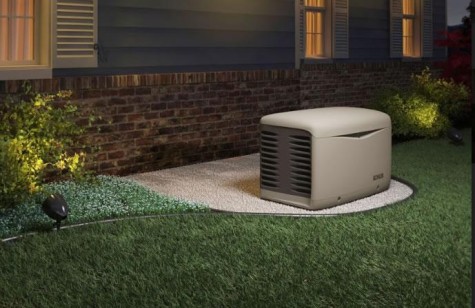
When power goes out, everything in a home comes to a halt. All rooms plunge into darkness, air conditioning systems stop working, security cameras go off, and the fridge stops working. This highlights the importance of having a reliable backup source of power. You’ll be…
Read More